You don’t need money, subscriptions, or special tools to begin connecting with nature. Curiosity, attention, and a little time outside are enough. This page gathers the resources that have supported my learning, starting with free options and moving toward tools that can add depth if you want them.
There may occasionally be an affiliate link here, but it will always be clearly marked. Every recommendation on this page is something I personally use and value.
✧ Best Free Ways to Learn & Explore
These are the best places to start. Most people have more access to nature support than they realize:
- Public libraries: Quiet, accessible, and full of field guides, nature books, regional ecology resources, and seed libraries. Many also offer free digital access to documentaries, audiobooks, and ebooks.
- Local conservation groups: Native plant societies, birding clubs, and volunteer wildlife teams often run free walks, workshops, and seasonal events led by passionate community members.
- Nature centres and parks: Interpretive trails, pamphlets, small exhibits, and guided outings provide an easy way to learn about local species and ecosystems.
- Universities and colleges: Many publish free regional species lists, herbarium collections, ecology notes, and public lectures, no enrollment required.
- Government and environmental agencies: Parks Canada and provincial wildlife programs share free field guides, trail maps, conservation updates, and safety resources.
- Community swap groups: Buy Nothing groups and neighbourhood swaps are great for finding second-hand tools, jars, notebooks, seeds, plant cuttings, and basic gear at no cost.
- Your own backyard: One of the best free resources you have. A few minutes spent observing birds, plants, weather, and seasonal changes teaches more than most books.
✧Apps & Digital Tools
Most of these apps are free to use. I like to keep my digital tools simple and practical:
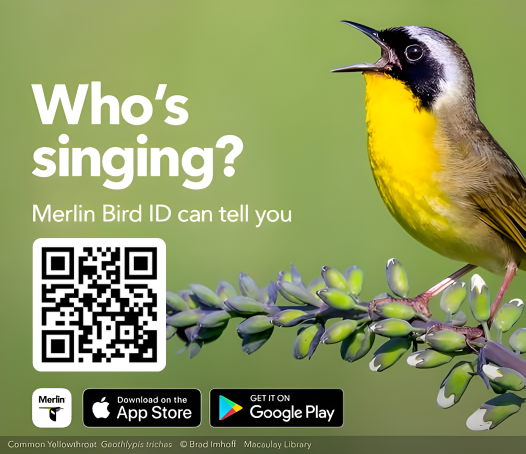
- Merlin – Free bird ID by sound, photo, or checklist. Research-backed.
- iNaturalist – Photograph any plant, animal, or fungi and get community-supported identification.
- PictureThis – High-accuracy plant ID, especially for trees and seedlings.
- Focus Friend – A gentle, neurodivergent-friendly focus tool that helps with structure and pacing!
✧ Audiobooks & Listening Options
I love physical books, but audiobooks fit more easily into my daily life, especially long drives and work-from-home days. Here are some great resources to get started with Audiobooks:
- Libby & Hoopla – Free with a library card. My default.
- Librivox – Public-domain books narrated by volunteers.
- Youtube – Folk texts, short nature docs, old homesteading guides, and audio readings if you know what to search.
- Audible: The only paid service I use regularly. Helpful for long drives, offline listening, and their large catalogue of nature writing, ecology, herbalism, and novels.
✧ YouTube Playlists
Below are curated playlists I’ve built over time. They’re updated regularly and organized by mood and need, whether you want calm, education, nature immersion, or sensory grounding.
- Nature & Conservation Playlist – Wildlife, restoration, ponds, ecosystems.
- Folkcraft – Nature-based magic, seasonal practices, and spellwork rooted in tradition.
- ASMR & Anxiety Relief Playlist – Soft grounding videos for stress or anxiety.
- Lo-Fi & Ambience Playlist – Forests, fireplaces, rain, and gentle soundscapes.
- Minecraft Playlist – Just for fun. Cozy builders and peaceful gameplay for downtime.
✧ Tools & Supplies (Work in progress)
This section will eventually include:
- binoculars
- journaling tools
- simple outdoor gear
- basic homestead tools
✧ Homestead & Wildlife Resources (Work in progress)
This section will eventually include:
- conservation tools
- wildlife rehab organizations
- Alberta wild horse resources
- native plant nurseries
- ethical suppliers
- workshops or certifications
✦ Closing Notes
Start with what’s free, local, or already in your home. Borrow before buying. Let curiosity guide you. Building a relationship with nature doesn’t require gear, just attention, patience, and the willingness to look a little closer.
Nature isn’t locked behind a paywall, it’s waiting right outside your door.